How Community Events Foster Neighborhood Connections
Community events are more than just gatherings; they are essential for building connections among neighbors. Understanding how these events work can help us appreciate their role in fostering a sense of belonging and enhancing community engagement.
Understanding the Basics
Community events typically create spaces for individuals to meet, interact, and collaborate on shared interests. According to research from the National League of Cities, local events can increase community cohesion by providing opportunities for residents to engage with one another. Experts in community development recommend that neighborhoods host regular events to enhance social ties.
"Community events are vital for creating a sense of belonging and trust among residents." - Urban Planning Expert
Types of Community Events
There are various types of community events that serve different purposes. Here are some common examples:
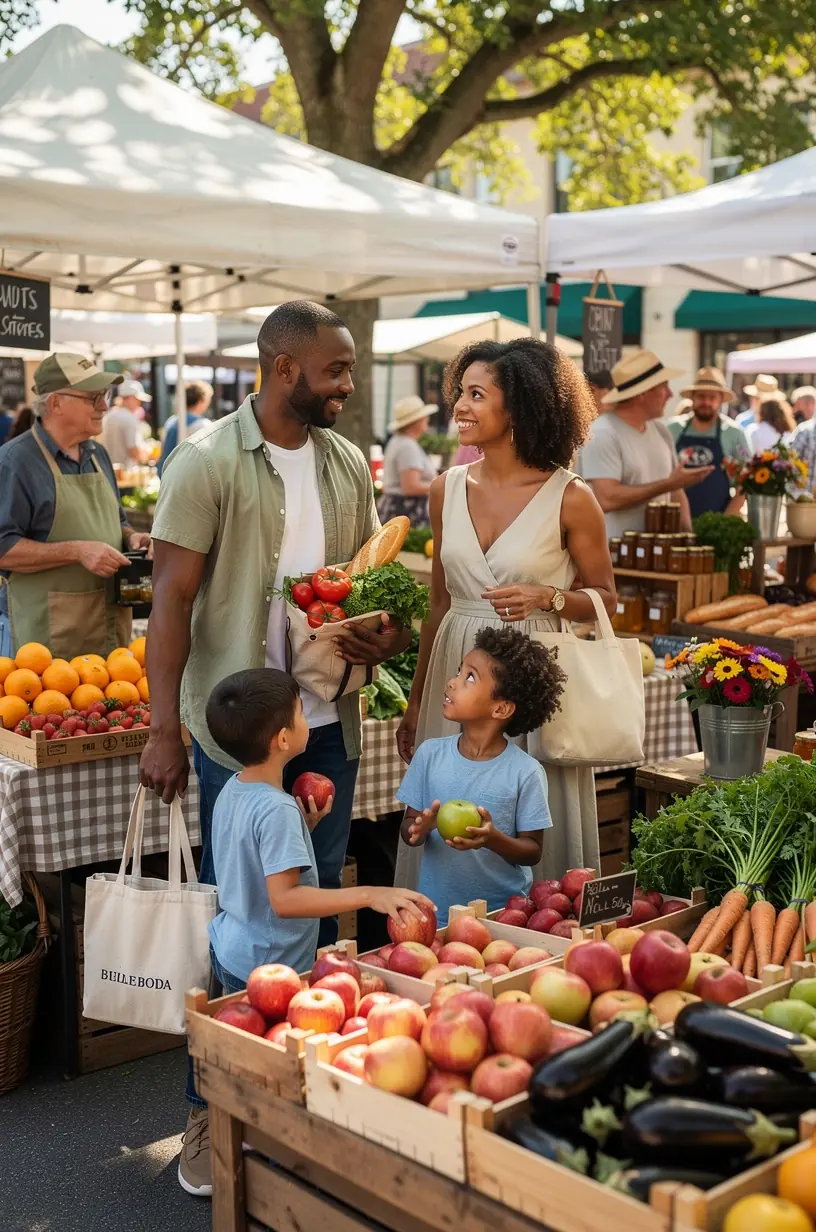
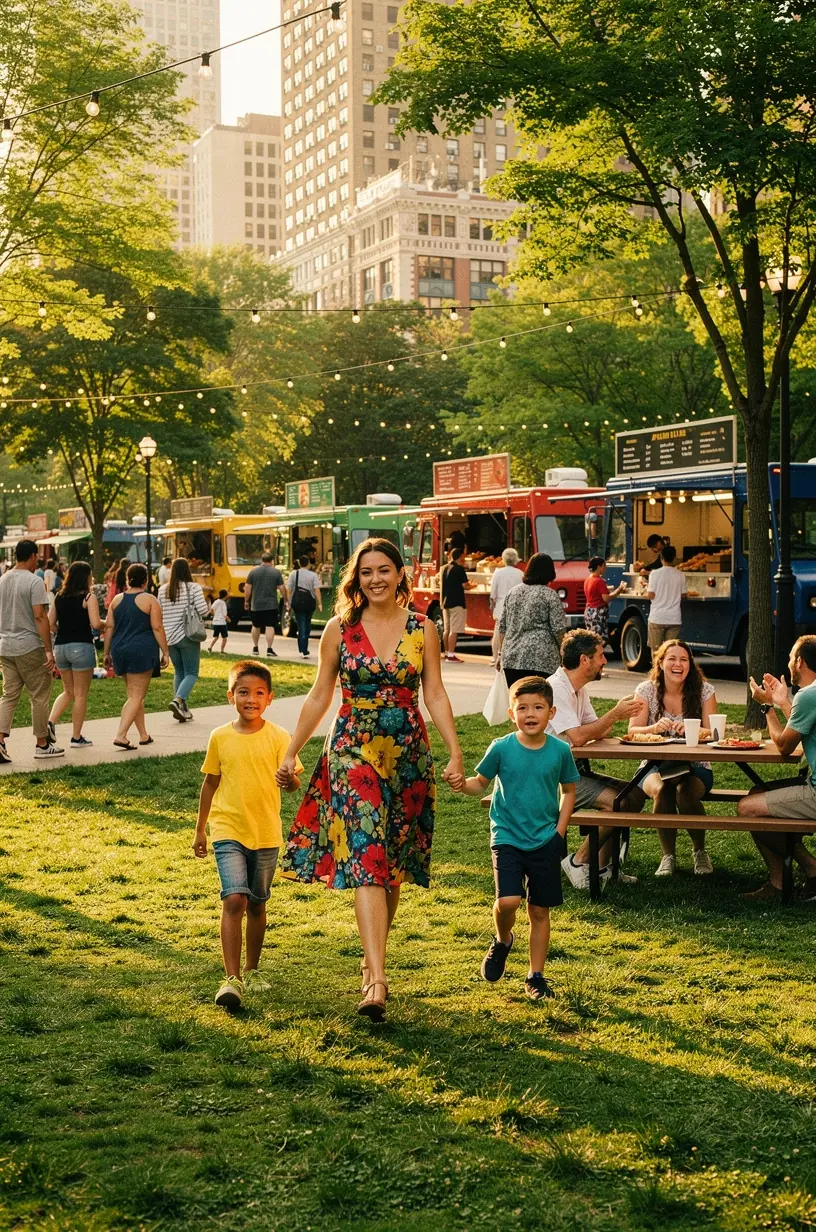
- Festivals and Fairs: These events often celebrate local culture and can attract large crowds, fostering interaction among diverse groups.
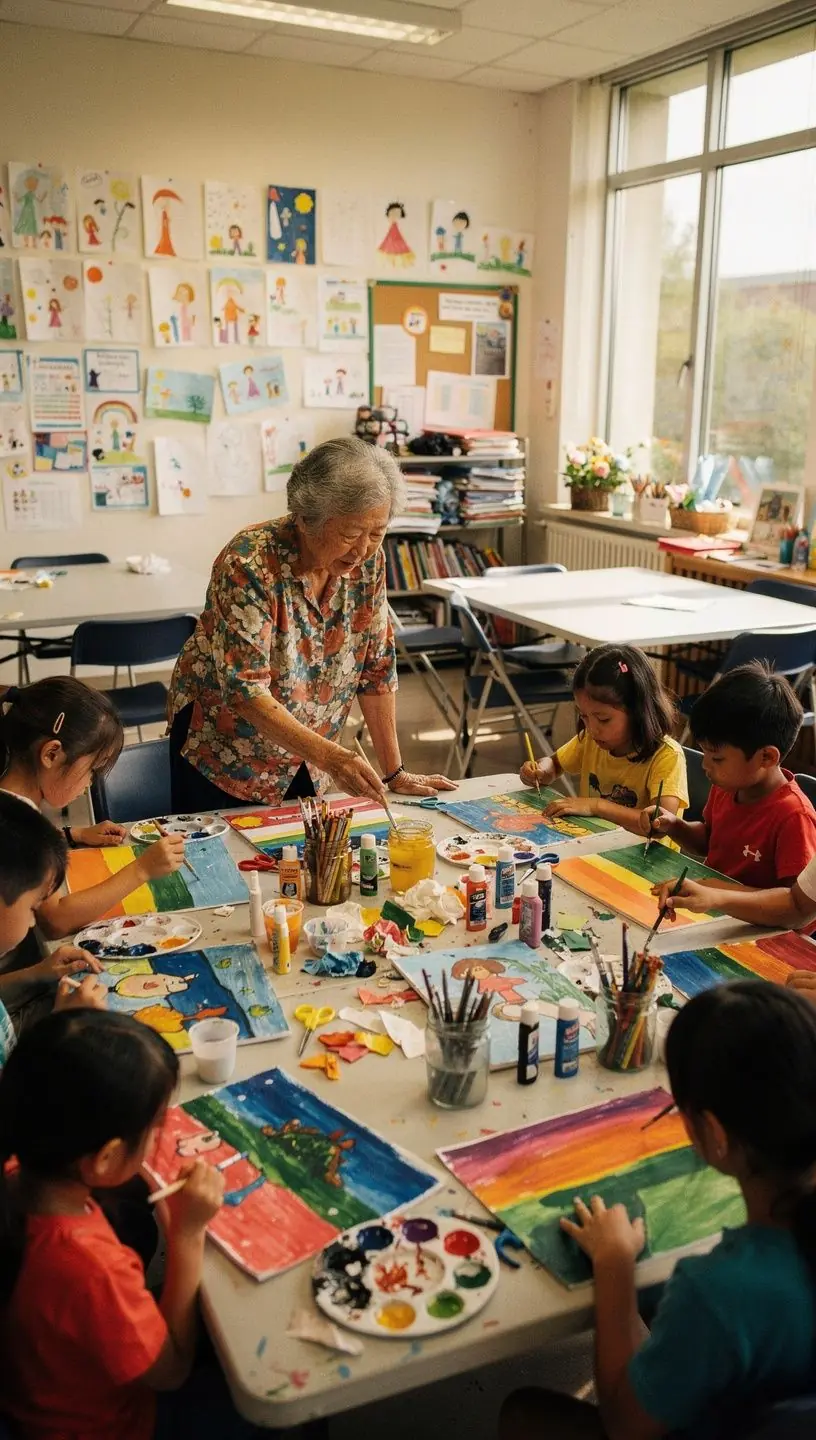
- Workshops and Classes: Skill-building events can bring neighbors together to learn and share knowledge, promoting a collaborative spirit.
- Clean-Up Drives: Events focused on community service encourage residents to work together towards a common goal, strengthening relationships.
Why Community Events Matter
According to a study published by the American Journal of Community Psychology, engaging in local events is linked to numerous benefits for neighborhoods:
- Enhanced Social Capital: Events help build trust and networks among residents, which can lead to increased community support.
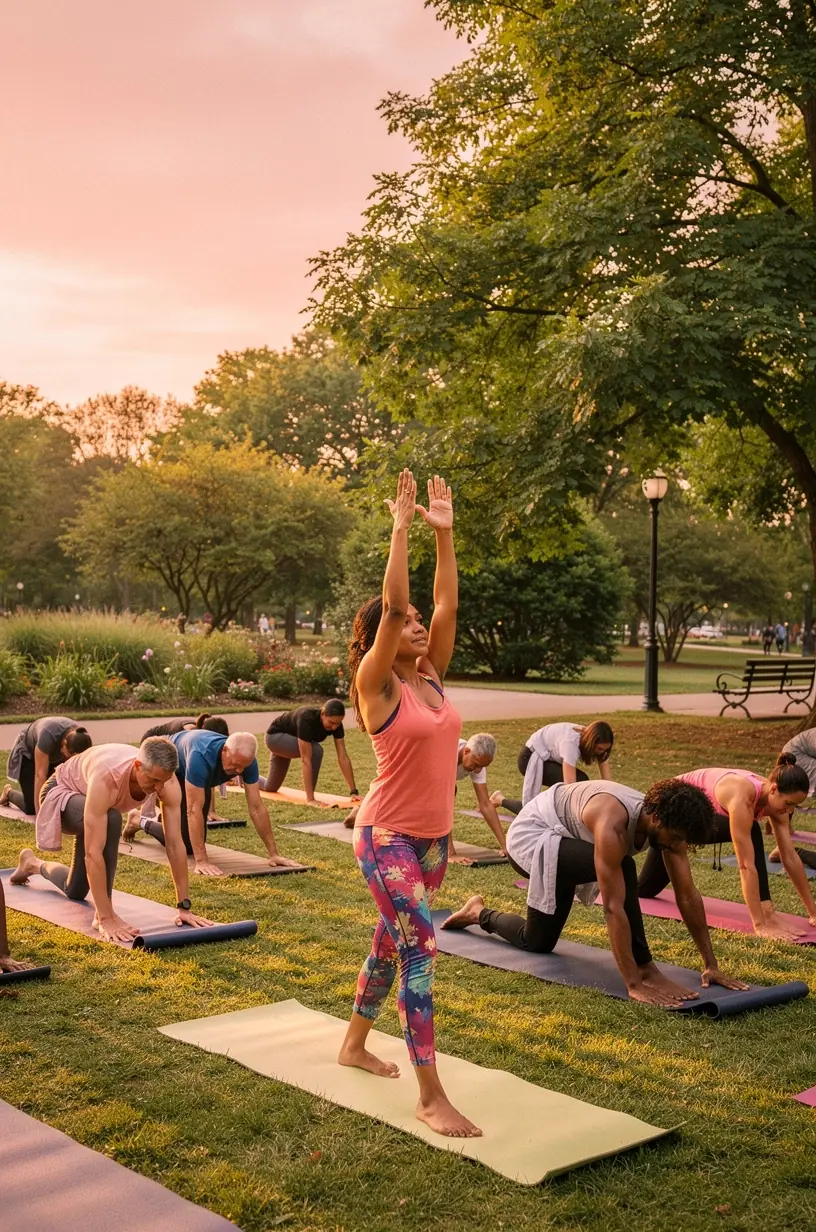
- Improved Mental Health: Participating in communal activities often leads to reduced feelings of isolation, contributing to overall well-being.
- Greater Civic Engagement: Regular interaction can motivate individuals to participate in local governance and initiatives, fostering a sense of responsibility.
Realistic Expectations and Efforts Required
While organizing or participating in community events can be rewarding, it's important to acknowledge the effort involved. Typically, planning a successful event can take several weeks, and it often requires the dedication of volunteers. In most cases, a strong online and offline promotion strategy is necessary to maximize participation. This process may also involve:
- Gathering community input to understand what types of events are desired.
- Identifying suitable venues and resources, which can depend on available funding.
- Coordinating with local organizations and stakeholders for support and collaboration.
Conclusion
In summary, community events can play a crucial role in fostering connections among neighbors. By participating in or organizing such gatherings, individuals can contribute to a stronger, more engaged community. Remember, the journey to building these connections often requires time and effort, but the rewards can be significant in creating a vibrant neighborhood.