How Seasonal Events Enhance Community Engagement
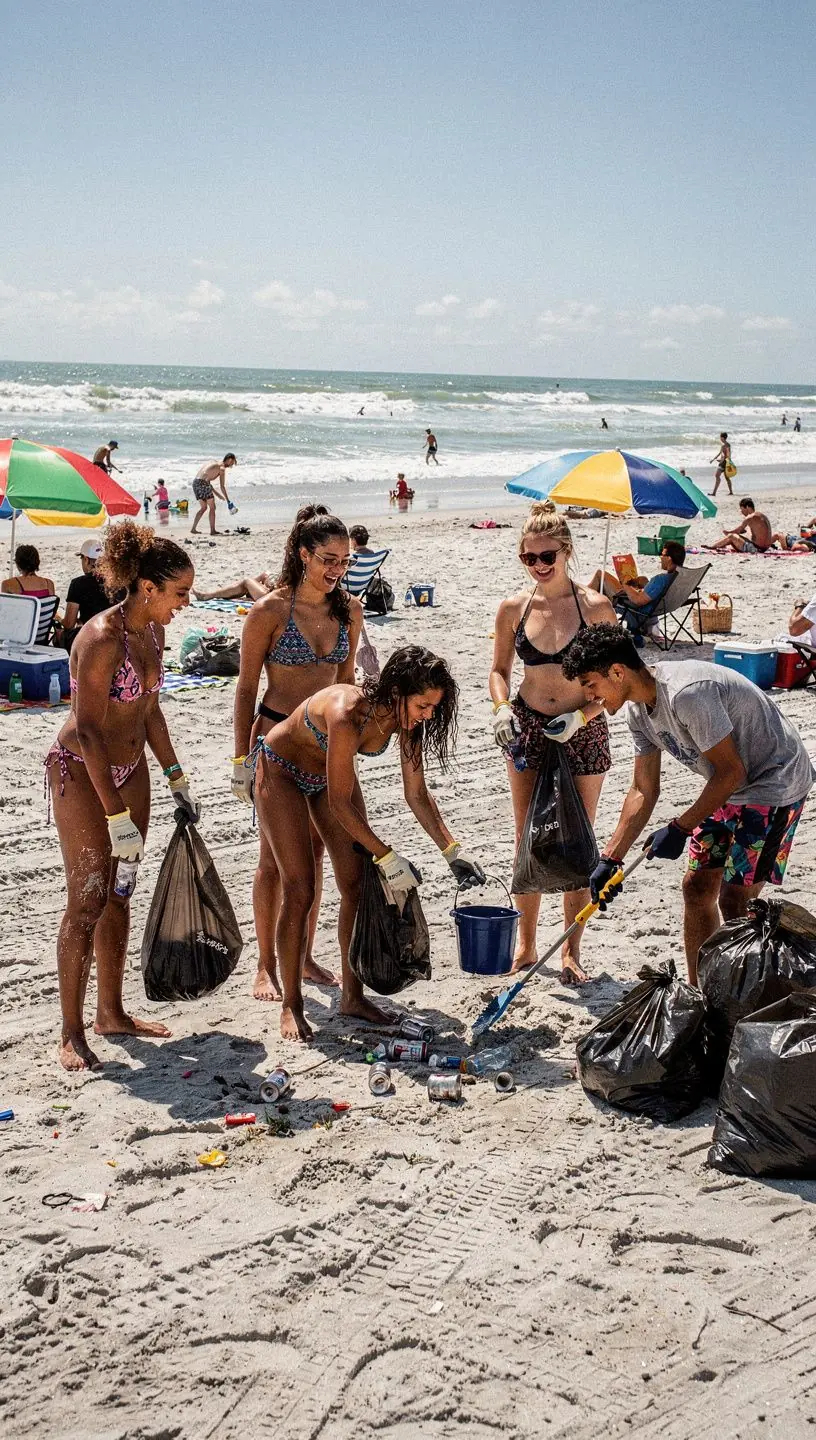
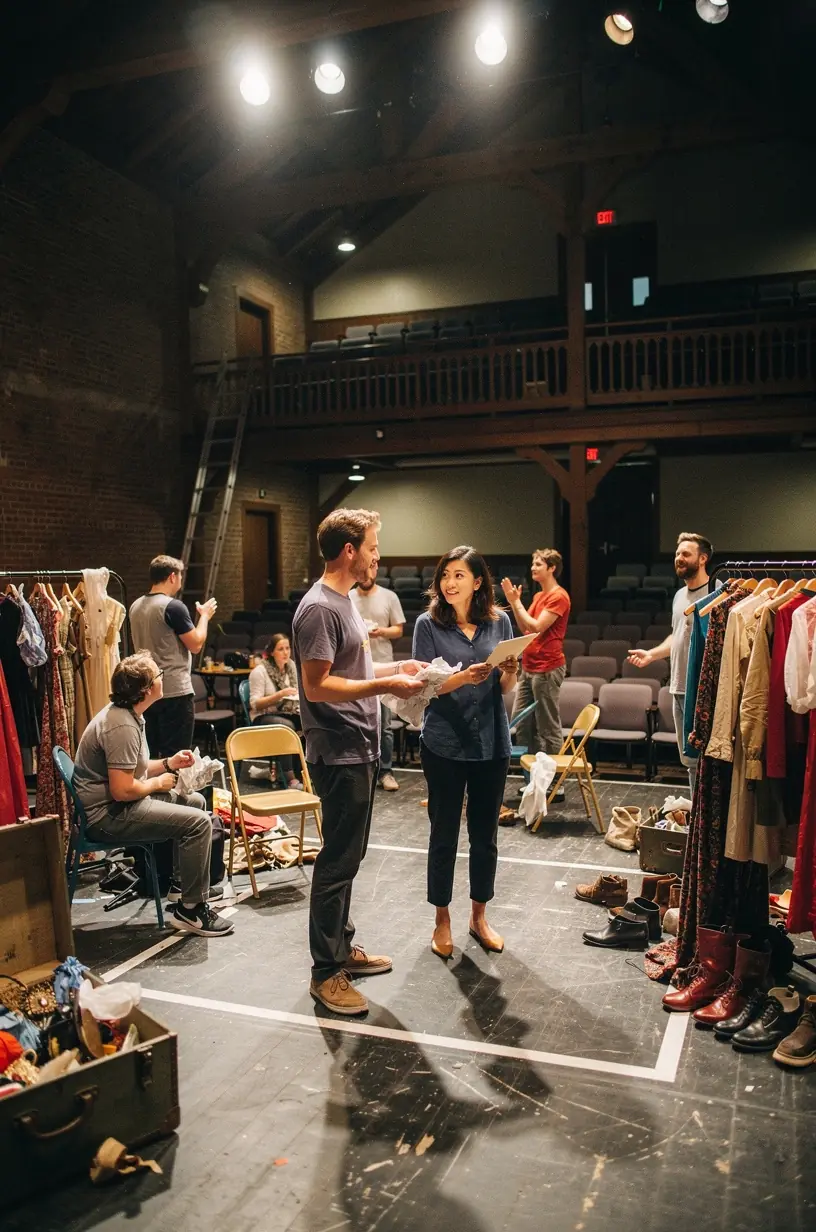
Seasonal events play a significant role in fostering community engagement and enhancing social connections among residents. These events not only provide entertainment but also promote local culture and support small businesses. In this article, we will explore the benefits of seasonal events and how they can strengthen community ties.
Understanding the Impact of Seasonal Events
Seasonal events, such as festivals, fairs, and holiday celebrations, typically bring people together to celebrate shared traditions. According to research by the National Endowment for the Arts, community engagement in cultural activities can lead to a sense of belonging and foster social cohesion. Events that are well-organized and inclusive can help bridge social divides and create a welcoming atmosphere for community members.
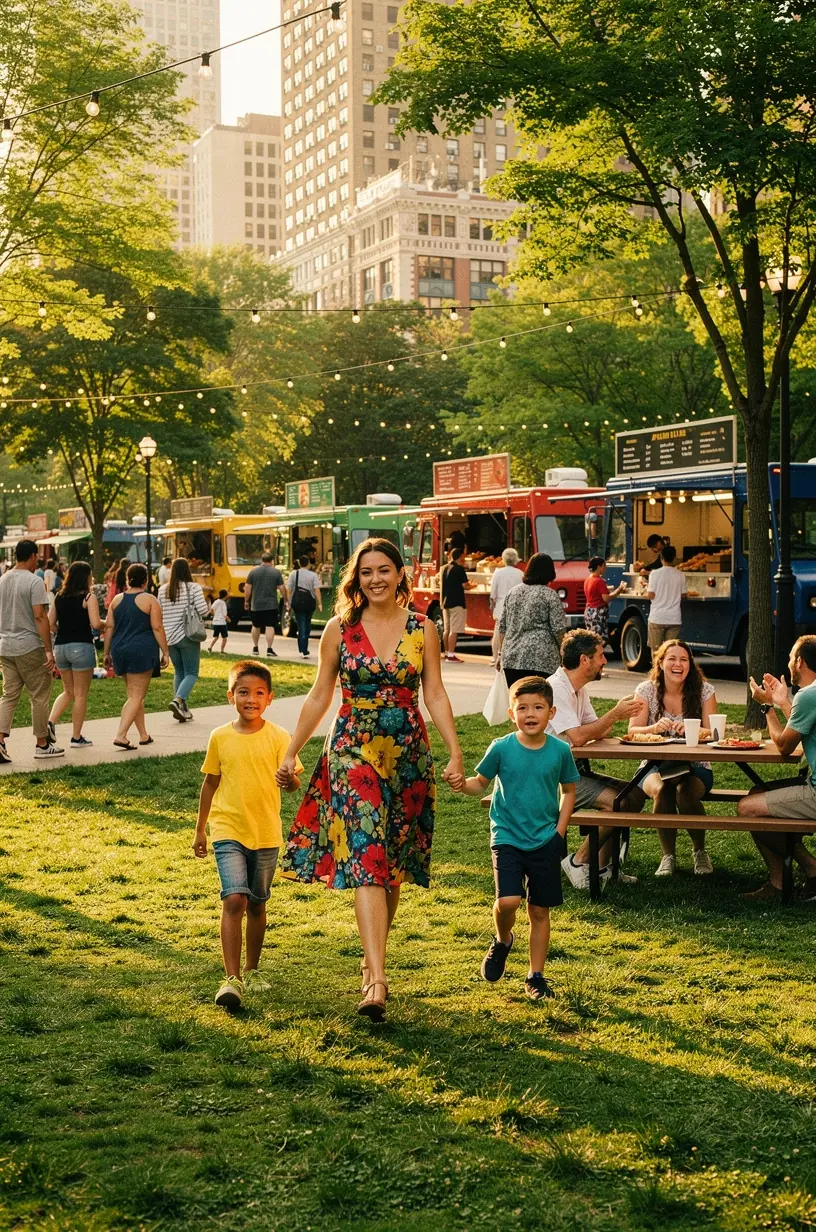
"According to studies, community events can increase social capital, which is essential for a thriving society."
Benefits of Seasonal Events for Communities
Seasonal events often provide numerous advantages for communities, including:
- Building Relationships: Engagement in seasonal events helps individuals connect with their neighbors, fostering friendships and support networks.
- Boosting Local Economies: Many seasonal events attract visitors, which can help local businesses thrive. Research indicates that festivals can lead to increased sales for nearby vendors, enhancing overall economic viability.
- Promoting Local Culture: Events centered around cultural heritage often educate attendees about local traditions, which can improve community pride and awareness.
How to Organize Successful Seasonal Events
Organizing a seasonal event requires careful planning and consideration of community interests. Here are some steps to guide the process:
- Identify Community Needs: Engage with community members to understand their interests and preferences. Surveys or community meetings can be effective in gathering input.
- Set Clear Goals: Define the purpose of the event. Is it to raise funds for a local charity, promote a local business, or simply foster community spirit? Clear goals can guide planning and execution.
- Collaborate with Local Organizations: Partnering with local nonprofits, schools, or businesses can enhance resources and increase event visibility. This collaboration often leads to more diverse activities and engagement opportunities.
Challenges to Consider
While seasonal events can be beneficial, there are challenges that organizers should acknowledge. For instance, planning an event can typically take several months and requires careful coordination of logistics, such as permits, vendors, and volunteers. Additionally, ensuring inclusivity and accessibility may require extra resources and planning.
"Organizers must be aware that not all community members may feel represented, thus requiring intentional outreach efforts."
Conclusion
Seasonal events can significantly enhance community engagement by fostering social interactions, promoting local culture, and supporting economic growth. While organizing these events requires time and effort, the potential benefits are substantial. By approaching event planning with community needs in mind and setting realistic expectations, communities can create enjoyable experiences that bring residents together and strengthen their bonds.
Learn More