Navigating Safety and Accessibility at Public Gatherings
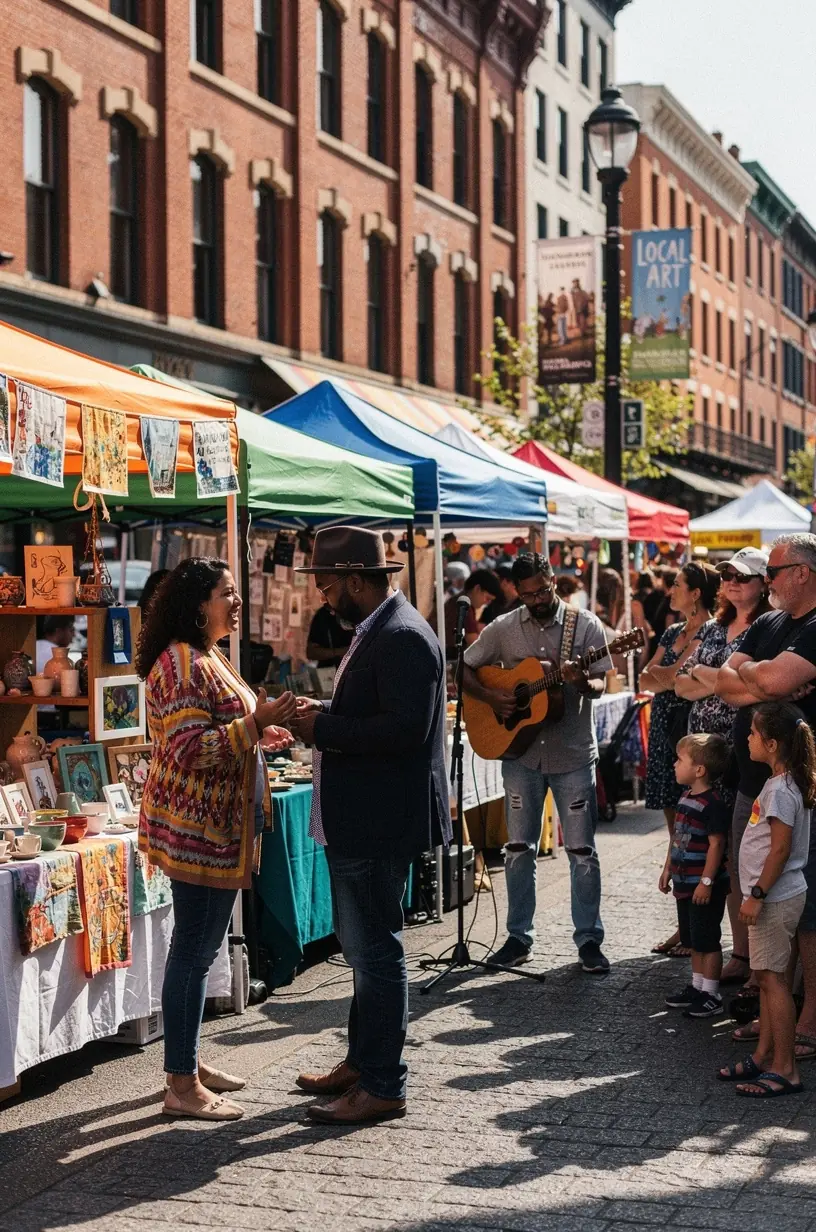
Public gatherings, whether they be festivals, concerts, or community fairs, provide vibrant opportunities for social interaction and community engagement. However, understanding safety and accessibility measures can enhance your experience while ensuring your well-being. This article provides practical insights to help you navigate these aspects effectively.
Understanding the Importance of Safety
Safety at public events is paramount. According to the National Safety Council, nearly 30 million people are injured in the U.S. each year during recreational activities. Understanding safety protocols is essential to minimize risks and ensure a secure environment for all attendees.
"Public gatherings should prioritize safety to foster community trust and enhance participation." - National Safety Council
Key Safety Measures to Consider
- Emergency Preparedness: Many events have emergency response plans in place. Familiarize yourself with these procedures, as they can provide clear guidance during unexpected situations.
- Health Protocols: In light of the ongoing public health concerns, many gatherings implement health measures. This may include capacity limits, sanitization stations, and guidelines on mask-wearing. Research indicates that following these practices can significantly reduce health risks.
- Transportation Safety: Arranging reliable transportation options is critical. Many users report a decrease in stress when planning transportation in advance, whether through public transit or rideshare services.
Enhancing Accessibility at Events
Accessibility is a vital aspect of event planning that many organizers prioritize to ensure inclusivity. According to the Americans with Disabilities Act (ADA), all public events should provide reasonable accommodations to support individuals with disabilities.
What to Look For
- Physical Accessibility: Check for wheelchair access at venues, including ramps and accessible seating. Events that comply with ADA standards often provide this information on their websites.
- Assistive Services: Many events offer services like ASL interpreters or audio aids. Research indicates that these services can significantly enhance the experience for attendees with hearing impairments.
- Transportation Options: Look for events that provide accessible parking and shuttle services. Many users find it helpful to confirm these options ahead of time to ensure a seamless experience.
Planning for a Safe and Accessible Experience
When preparing to attend a public gathering, it’s essential to plan ahead. Here are some steps you can take:
- Research the Event: Look for information regarding safety protocols and accessibility options. Most events provide this information on their official websites.
- Arrive Early: Arriving early can provide added time to navigate the venue safely and comfortably, especially if you require assistance.
- Communicate Needs: If you have specific accessibility needs, consider reaching out to event organizers in advance. Many are willing to accommodate special requests to ensure a positive experience.
Conclusion
Public gatherings can be rewarding experiences when safety and accessibility are prioritized. By understanding the relevant measures and planning ahead, you can enhance your enjoyment while contributing to a safer environment for all. Remember, staying informed and proactive is key to making the most out of any community event.