A Practical Guide to Organizing Neighborhood Block Parties
Organizing a neighborhood block party can foster community spirit and enhance social connections. This guide provides practical insights to help you successfully plan an enjoyable event while managing expectations and logistics.
Understanding the Importance of Community Events
Community gatherings, such as block parties, are known to strengthen neighborhood ties. According to research, communities with active social networks often report higher levels of satisfaction and safety. This is because these events provide an opportunity for residents to meet and socialize, fostering trust and collaboration.
"Research indicates that social cohesion can significantly improve overall community well-being."
Steps to Organize a Block Party
Planning a block party typically involves several key steps that require careful consideration and coordination.
1. Assemble a Planning Committee
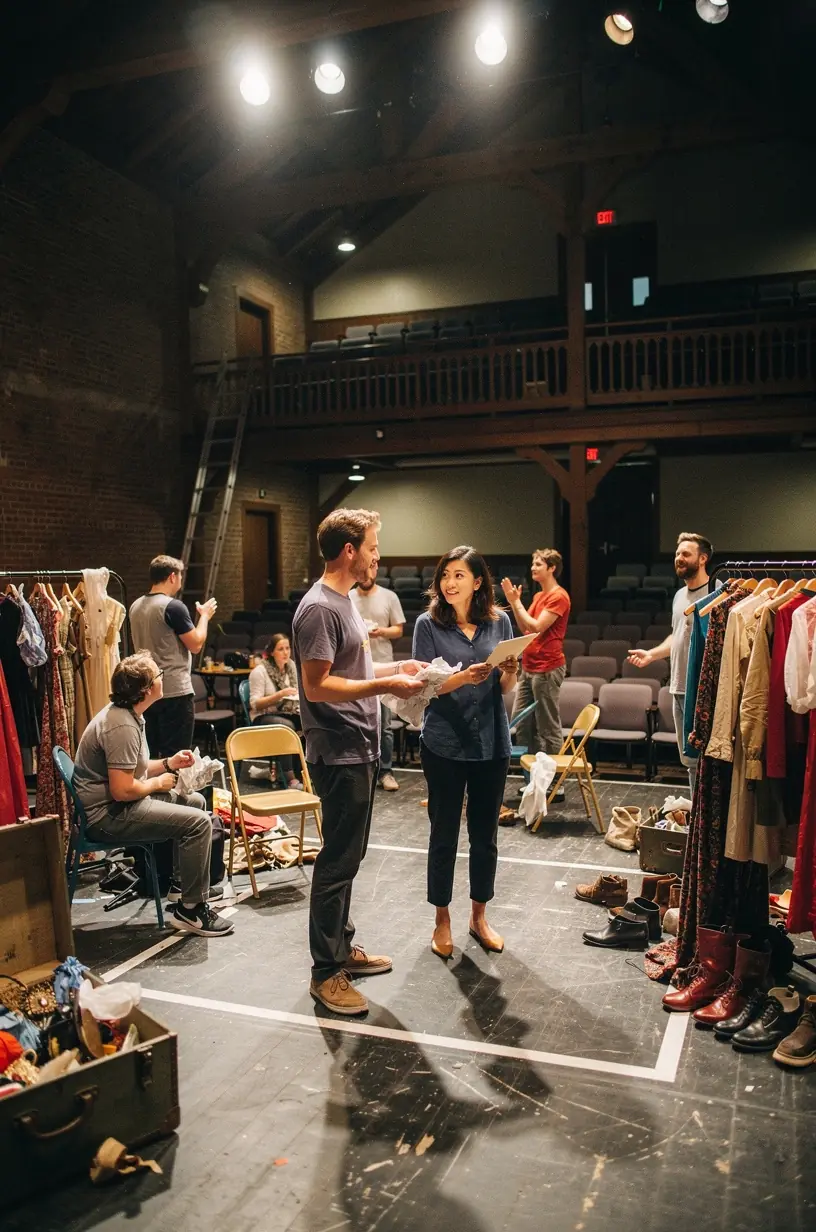
Start by forming a small group of dedicated volunteers. Organizing an event typically takes 2-4 weeks, so having a team can help distribute tasks efficiently. Experts recommend assigning roles based on strengths, whether in logistics, marketing, or activities.
2. Set a Date and Time
Select a date that avoids conflicts with major holidays or local events. Most block parties occur on weekends to maximize attendance. Research shows that afternoon gatherings are particularly effective, allowing for a relaxed atmosphere.
3. Obtain Necessary Permits
In many US communities, you may need a permit to close off streets or host large gatherings. Contact your local city or town hall to inquire about regulations. Many municipalities have guidelines for neighborhood events, which can streamline the planning process.
4. Plan Activities and Entertainment
Consider including a mix of activities suitable for all ages, such as:
- Live music or a DJ
- Games for children and adults
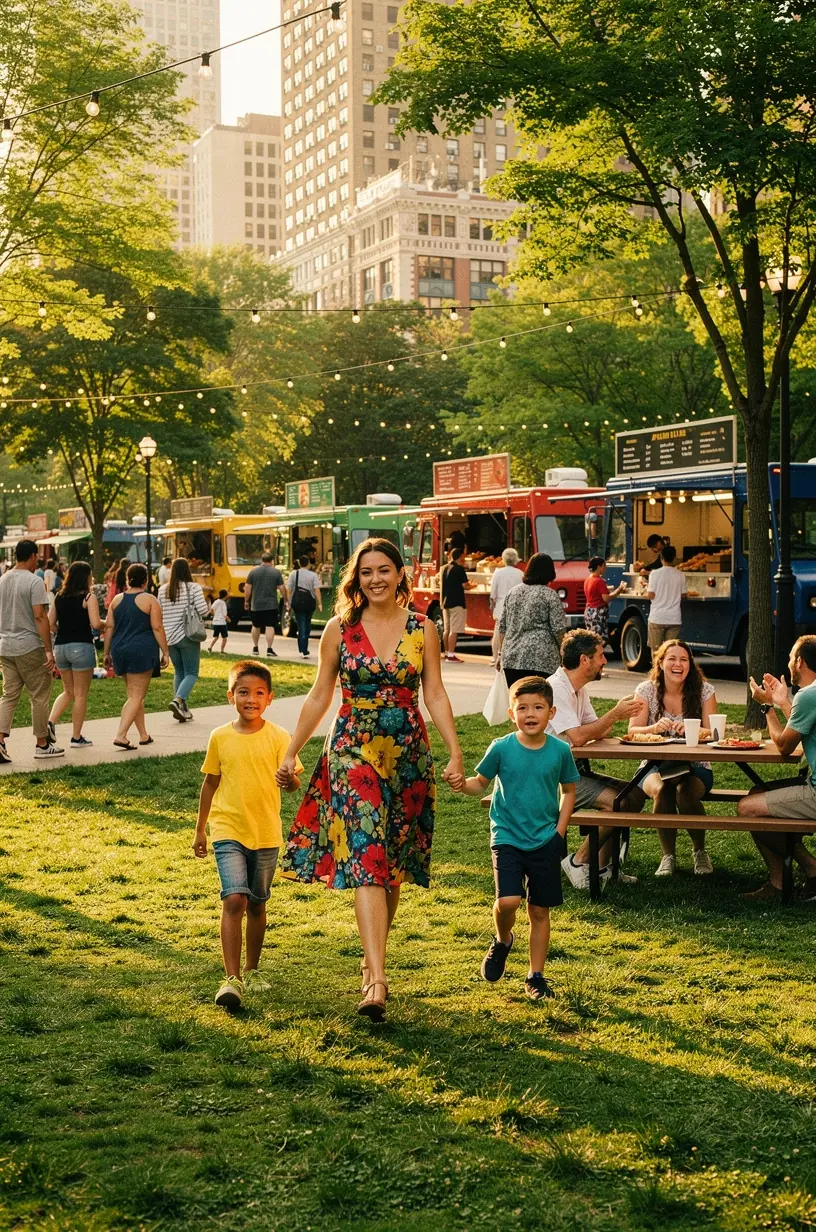
- Potluck dinner or food stalls
Engaging activities not only entertain but also encourage participation. Involving local talent, like musicians or artists, can enhance the event's appeal.
5. Promote the Event
Effective communication is key to maximizing participation. Use flyers, neighborhood social media groups, and community boards to spread the word. Research shows that engaging multiple channels is often more effective than relying on a single platform.
"Industry experts suggest that clear messaging and attractive visuals can significantly increase turnout for community events."
6. Prepare for the Day Of
On the day of the event, ensure you have volunteers ready to assist with setup and coordination. A checklist can help manage the logistics, including:
- Setting up tables and chairs
- Establishing food and drink stations
- Designating areas for activities
Having a plan in place can help mitigate unexpected challenges, such as weather changes or last-minute participant queries.
Acknowledging Challenges
While block parties can be rewarding, they may not be suitable for every neighborhood. Communities with a history of conflict, for instance, may face greater challenges in organizing such events. It's essential to gauge community interest and readiness before proceeding.
Conclusion
Organizing a neighborhood block party can significantly strengthen community bonds and create lasting memories. By following the outlined steps and being realistic about expectations, you can create an inviting and enjoyable atmosphere for all. Remember, the journey of planning is just as important as the event itself, as it fosters collaboration and community spirit among residents.
Learn More